
Initiating Systems

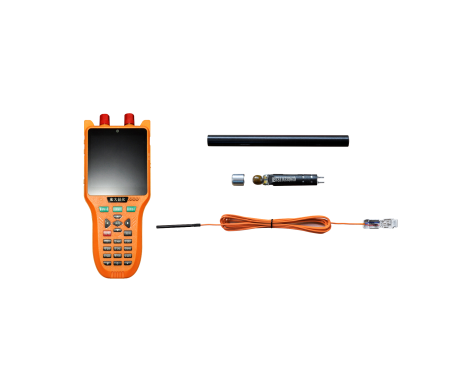
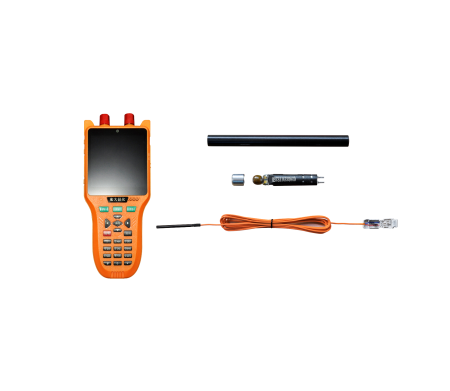
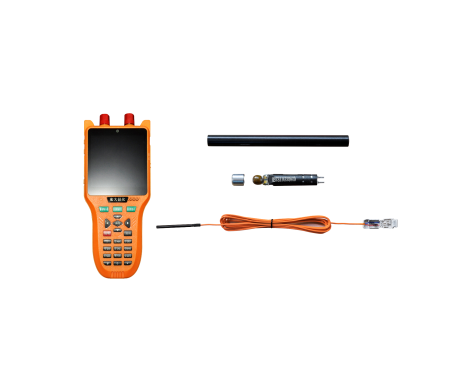
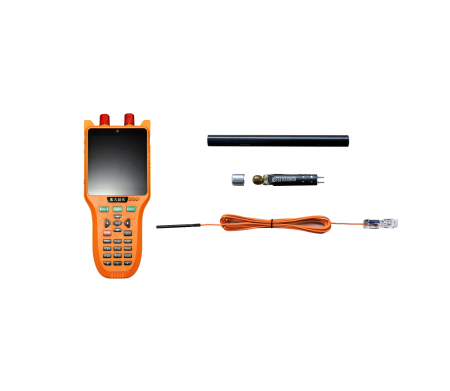
Standard Electronic Detonator Initiating System

This system is designed for surface blasting and large cross-section blasting (hole spacing >600 mm) in environments without combustible gas or coal dust explosion risks. It is suitable for temperatures ranging from -20°C (-4°F) to 55°C (131°F).

This system is widely used in surface mines, quarries, underground mines, and tunnels.

Key Benefits

Superior anti-static, anti-stray current, and anti-radio frequency performance.
IoT intelligent control with key authorization detonation.

Technical Properties

Testing Items Technical Properties
Delay Time 12,000 ms
Delay Accuracy 0-150 ms delay, accuracy deviation ≤±1.5 ms; >150 ms delay, accuracy deviation ≤±1%
Leg Wire Tensile Strength Under 20 kg (196N) static tension, the wire core and insulation layer should not break, damage, or short circuit.
Leg Wire Abrasion Strength With a 700 g weight vertically applied to the insulation layer, and sandpaper in between, the insulation layer could not short-circuit after abrasion distance ≥150 mm.
Anti-Knock Property The detonator is subjected to a jolt tester with a cam speed of (60±1) r/min and a drop height of (150±2) mm for 10 minutes. During the test, the detonator could not explode, loosen, or suffer damage. After the test, the detonator could function normally.
Explosion Shock Wave Resistance When detonating one standard electronic detonator underwater at a depth of one meter, it generates a shock wave. Ten adjacent detonators, evenly spaced 60 mm apart, should still function normally after exposure to this shock wave.
Anti-Static Performance The detonator does not explode when its leg wires are discharged at 25 kilovolts using a 500 picofarad capacitor and a 5,000 ohm series resistor.
Water Resistance The detonator could function normally after being submerged at 0.3 MPa water pressure for 24 hours.
Leg Wire Bending Resistance The leg wires could maintain normal conductivity without breaking or cracking after being bent 10 times in an environment ranging from -20°C (-4°F) to 55°C (131°F).
Leg Wire Resistance ≤0.6 ohm/m
Base Charge RDX: 800 mg; Initiating explosive: 300 mg
Initiation Capacity Capable of penetrating a 5 mm thick lead plate, with a hole diameter of at least 10 mm.
Maximum Load per Detonator Each standard detonator can support up to 400 detonations.
Shelf Life 2 years

Need Custom Formulations?

Our R&D team can develop custom explosive formulations tailored to your
specific geological and operational requirements.

Request Custom Solution